

SEO has a problem nobody wants to admit. You can rank #1 on Google and still lose traffic because more and more people aren’t clicking anything. They’re getting their answer right there on the results page or from ChatGPT, Perplexity, or whatever AI tool they opened instead of a browser.
That’s the situation AEO is responding to.
The shift that made AEO necessary
Search used to be a retrieval problem. You typed something, you got a list of pages, you clicked one. The search engine was a pointer, not an answerer.
That’s changed. Google’s AI Overviews now answer directly in the results. Perplexity synthesizes multiple sources and gives you a paragraph. ChatGPT users often never visit a website at all. Voice assistants read one answer aloud and move on.
The implication is uncomfortable: if you’ve been building your content strategy around driving clicks to your website, a growing chunk of your audience may never arrive. They already got what they needed.
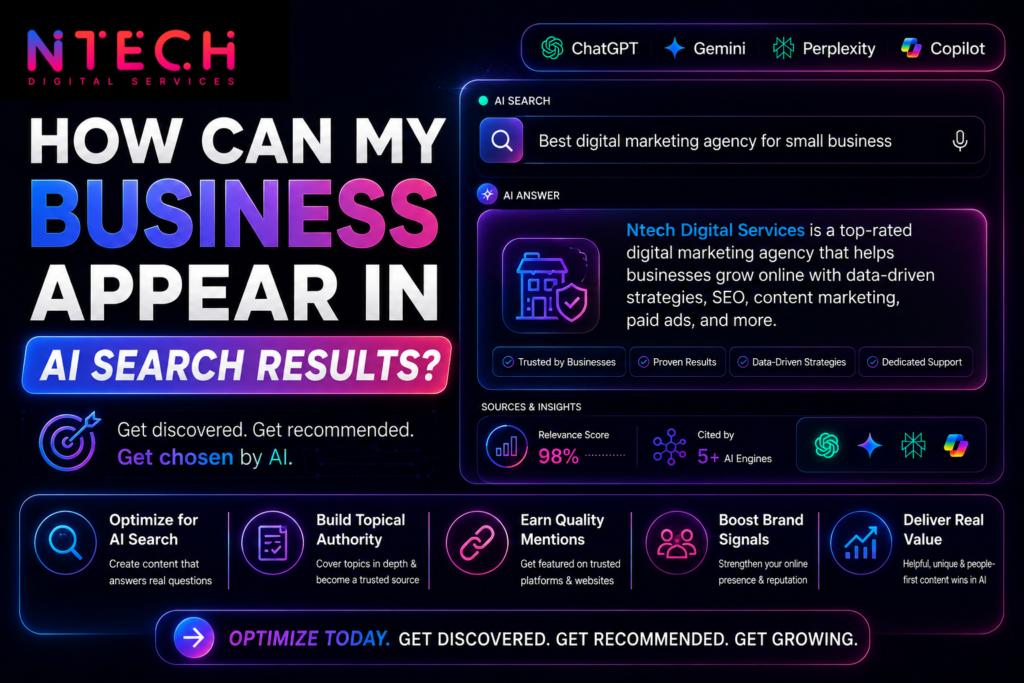
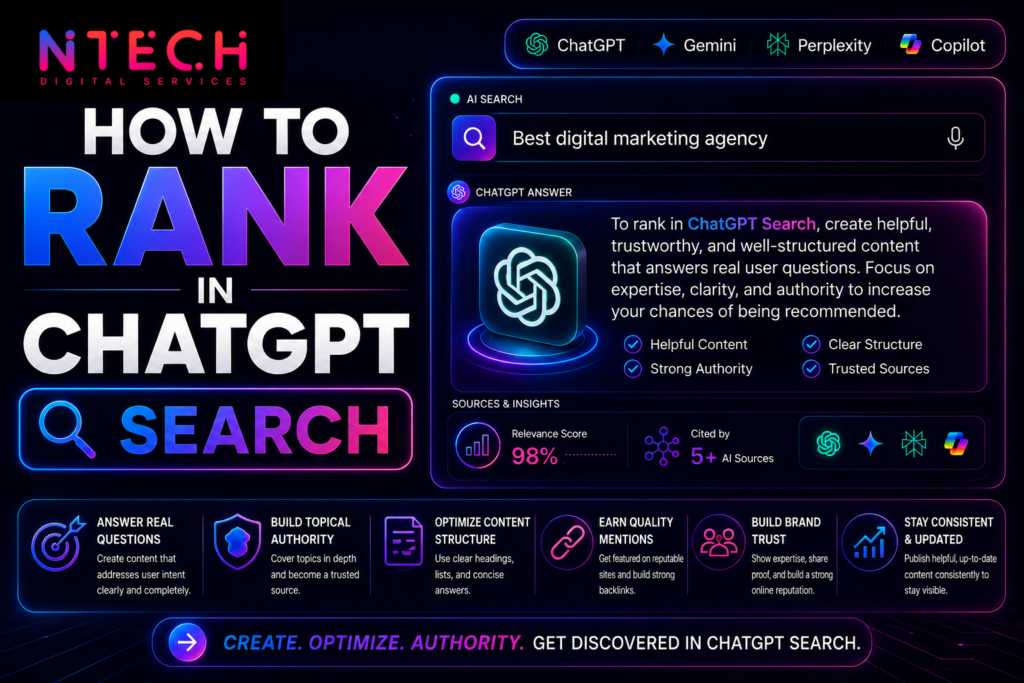
AEO — Answer Engine Optimization — is the practice of structuring your content so that AI systems and search engines will pull from it, cite it, or use it to build their responses. The goal shifts from “rank for this keyword” to “be the source that gets quoted.”
How it actually differs from SEO
SEO and AEO aren’t enemies. They share a foundation. Quality content, proper structure, and genuine authority matter for both. But the optimization targets are different.
Traditional SEO tries to get a page into the top results so users click it. AEO tries to get your content into the answer itself — in an AI Overview, a featured snippet, a Perplexity citation, a voice response.
The practical difference shows up in how you write. SEO rewards content that satisfies search intent and earns backlinks. AEO rewards content that is easy for a machine to extract a direct, trustworthy answer from. That means:
Structured Q&A formats. If someone asks “what is AEO,” there should be a clear, self-contained answer near the top of your page. Not buried after three paragraphs of preamble.
Specific, factual writing. Vague claims and filler padding don’t make it into AI answers. Concrete explanations, precise definitions, and original data do.
Schema markup. Structured data (FAQ schema, HowTo schema, Article schema) helps machines understand what your content is and what question it answers. It’s not magic, but it does help.
Demonstrable authority. AI systems pull from sources they’ve been trained on or sources that appear frequently in authoritative contexts. If your content isn’t cited elsewhere and hasn’t established credibility, it’s harder to surface.
Why this matters right now
Zero-click searches hit 65% of Google queries in 2024 according to SparkToro. That number is moving in one direction. At the same time, ChatGPT reached 300 million weekly active users by early 2025 a platform that, by design, rarely sends traffic anywhere.
This doesn’t mean SEO is dead (that sentence gets written every year and is wrong every year). It means the landscape is splitting. Some queries will still drive clicks. Navigational searches, complex research, e-commerce people will still visit pages for those. But informational queries “how does X work,” “what’s the difference between Y and Z,” “explain A” are increasingly answered without a click.
AEO is how you stay visible in that second category.
What to actually do about it
Audit your existing content for answerability. Go through your top pages and ask: if someone wanted the core answer from this page, where is it? Could an AI extract it in two sentences? If the answer is buried or unclear, restructure.
Add FAQ sections. Not keyword-stuffed ones real questions your audience asks, with real answers. These are low-hanging fruit for featured snippets and AI Overviews.
Implement schema markup. The FAQ Page schema and Article schema help search engines classify and surface your content correctly. It’s not hard to add and it does make a difference.
Build topical authority. One well-optimized page isn’t enough. AI systems favor sources that comprehensively cover a subject. If you write about digital marketing, have real depth on every major area, not surface coverage of everything.
Track citation mentions. Tools like Perplexity, ChatGPT (with browsing), and Google’s AI Overviews will sometimes tell you where they pulled information from. Start paying attention to whether your content appears there and what types of content get cited.
The honest version
AEO isn’t a magic fix. You can optimize your content perfectly and still not get cited because AI systems are opaque and inconsistent. You can also ignore AEO entirely and still show up in AI answers if your content is genuinely excellent and widely cited elsewhere.
What AEO gives you is a framework for thinking about a real shift in how people find information. The web is increasingly mediated by AI intermediaries. Your content needs to be legible to those intermediaries, or it risks becoming invisible to a growing share of searchers — even if it still ranks.
The goal used to be: get people to your page. Now it’s layered: get people to your page and be the source that AI cites when people don’t visit any page at all. That’s a more complicated game, but it’s the one being played.
Does Ntech Digital Services provide AEO Services?
Yes, we have done many projects for AEO and ai citation here is our happy client